Just came across some beautiful pics of one of the least well-known Canary Islands: La Gomera.
Thanks for stopping by The A to Z blog, “egotripper”!
Author: Pilar

S is for Semana Santa Part 2
Easter is a really big deal in Spain. You can see procesiones everywhere, where large images of Christ are carried around the city. Unfortunately, Easter is also a time of pain in Spain, as it often rains and the illusions of both those who eagerly await to carry the effigy and those who have been waiting all year to watch them, are shattered.
Here are some pictures from Easter in Madrid, from a few years ago.
And no, they are not tourists from the KKK.

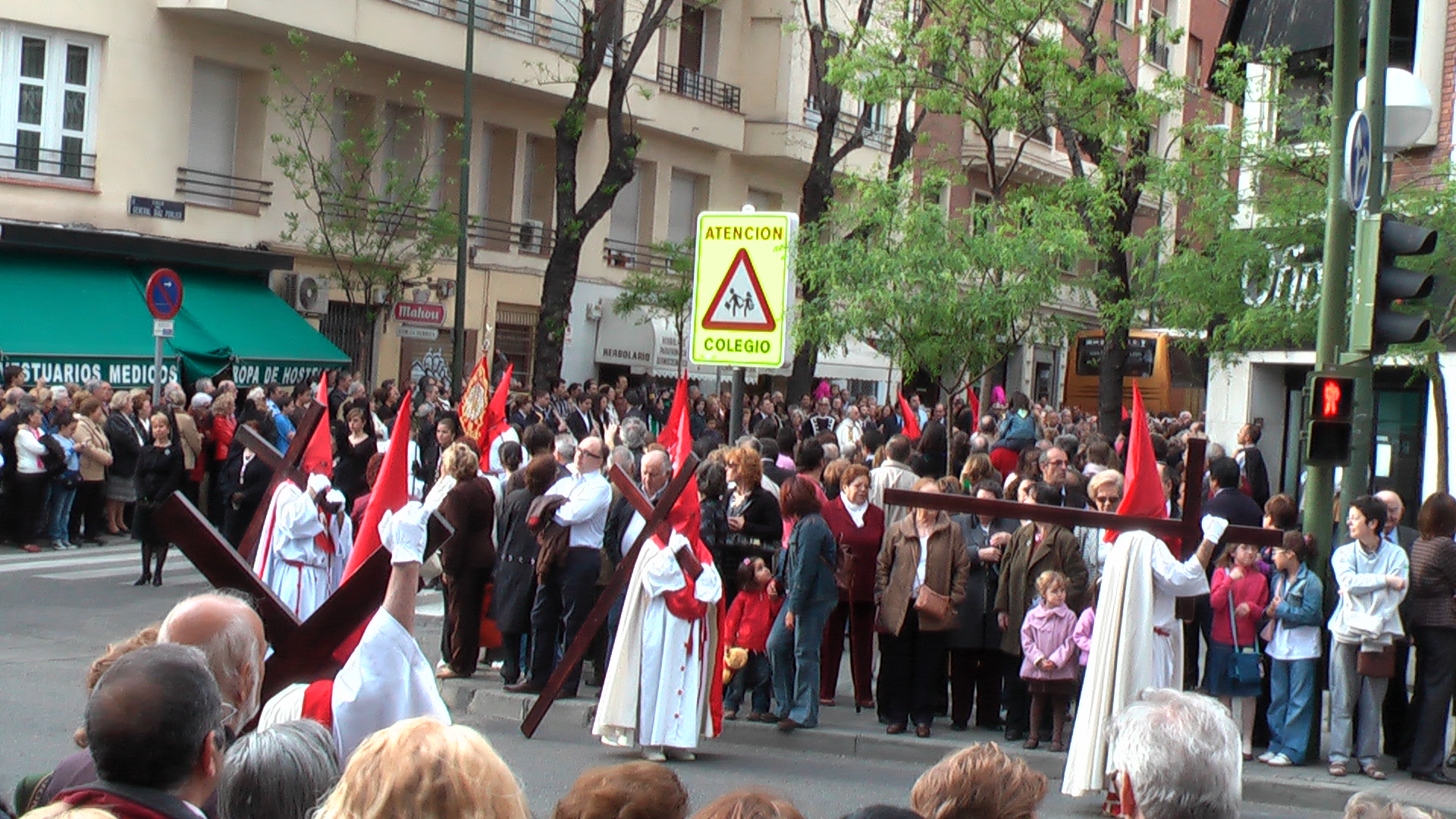
S is for Semana Santa
I wanted to do my bit for the Easter imagery, so here is my cousin, in all his glory (quite a few years ago…).

V is for Vacas.
“Vacas” as in “vacaciones” (holidays), not as in “vacas” below – looks more like a toro: Carolo, could you please clarify this one for us? And thanks for the picture, of course.

F is for Fallas
(If you speak Spanish, you might want to read my cousin Pachi’s account, below this one in English. Thanks to Kathe for the photographs.)
LAS FALLAS
 For the four days prior to 19 March (San José, the carpenters’ patron saint – and Valencia’s (see Y is for Yo for more information on patron saints)), Valencia turns into a concoction of noise, music and smoke. Every day, to make sure that you don’t miss out on every single celebratory moment, you will be woken up at 8am by the despertetá, a series of very loud noises designed to get everyone out of bed and into the streets. In the afternoon, from the first Sunday in March, prepare yourself to have your eardrums challenged by the “mascletás” created by extremely powerful bangers which are set off over the noise and chanting of the population. If fireworks are your poison, then you can enjoy what is probably one of the most impressive fireworks display in the world. ‘La Nit del Foc’ in Valencia, the night of fire, attracts around 650,000 people every year at 1.30 in the morning before San José.
Finally, on the last day of the Fallas, Valencia is flooded by flames and smoke as all the ‘ninots’ burn. The ninots are wonderfully artistic figures made of different flammable materials. It is these ninots, when put together to create a work of art, that make a “falla” which gives this celebration its name. . Months of work go into these figures which surrender to their fate on the last day of las Fallas. All, except one, the competition winner.
 You might be asking yourself: “Why?” The answer is a common one: tradition. Prior to the 17th century, the carpenters and artisans of Valencia would celebrate the arrival of spring by burning the holders which had supported the oil lamps used to give light in the winter. On the night before San José, they would burn piles of unwanted lamp holders and any other bits of leftover wood. With time, the carpenters began to dress up these unwanted items to create parodies of the middle classes and the Church and satirise society.
Gradually, this event became more popular and sophisticated and of course, controversial. After trying to suppress these celebrations over decades, the Mayor finally succumbed and in 1932, the Council became the official organiser of the event. Not only that, what was initially an event financed by the people and local businesses, became a state funded event.
Now Las Fallas has become one of the most popular celebrations in Spain – great fun for those wishing to party all night but not so great for people like my aunt, who are left unable to sleep for one week.
For more on loud Spanish traditions, see M is for Moros y Cristianos.
 LAS FALLAS – The Spanish version
Fiestas tradicionales valencianas, que han sabido conservar el espíritu popular, hasta donde lo permiten los tiempos modernos. Antiguamente, se financiaban íntegramente con aportaciones de los vecinos y empresarios de los barrios donde se levantaba el monumento. Hoy día, por su interés “cultural”, la financiación mayoritaria corre a cargo de organismos públicos (ayuntamiento, distritos, etc.).
El reinado de la pólvora, organizada (despertá, nit del foc, cordás y mascletás), y desorganizada (la guerra en la calle). Las despertás se hacen a las 8 de la mañana, quemando pólvora para avisar a los vecinos que empieza la jornada; las mascletás empiezan el primer domingo de marzo; los castillos de fuego se concentran los sábados, hasta el último fin de semana, que se queman uno al día –el del día 18 es el castillo estrella-; y las cordás, muy restringidas y controladas, por accidentes pasados –no me extraña-.
Las tardes de los días de fallas: o se participa o visita el engalanamiento floral de la Virgen de los Desamparados (la cheperudeta, es decir, la jorobadita, en valenciano), o se va a dormir la siesta, porque el resto del día y noche estarán ocupados. Los amantes de los toros tienen las primeras corridas grandes de la temporada taurina, que se abre en la plaza de Toros de Valencia, corridas de San José.
Las fallas en sí podrían verse como un subgénero de la escultura, que se trabaja con papel-cartón y madera. Auténticos artistas que trabajan la forma, la belleza artística, y el fondo. La falla no deja de ser un vehículo para plasmar la vida de la ciudad, del país y del mundo, desde un punto de vista crítico y satírico. Sus dimensiones varían entre los 5 metros de alto, y superficies de 25 m2, a las de categoría especial, que pueden alcanzar 20 m de alto, y 200 m2 de superficie –a ojo–. La quema final supone purificar los pecados pasados, previamente destapados, como el fuego purificaba el pecado. No hay que olvidar que se celebra un día muy próximo al equinoccio de primavera. Yo vincularía el origen a una costumbre rural: terminada la poda en el campo, cuando empiezan los frutales a florecer, se quemaban sarmientos y ramas, para limpiar y abonar con ello los campos. Por la época, sospecho que algo tiene que ver.
Cada falla tiene su falla infantil, dedicada a los niños del barrio, con temas infantiles –cuentos, dragones y princesas-, sin crítica especial. Apenas se alzan dos metros de tierra, y ocupando diez metros cuadrados normalmente.
Como es fiesta callejera, hay muchos casales falleros donde se reúnen las gentes del barrio, para charlar, beber, comer, dormitar, … Merece la pena hacer alguna parada para probar las primeras horchatas de la temporada con fartons, o un buen chocolate con buñuelos de calabaza.
Copyright notice: Please, do not hesitate to contact me if these Ninots are under restricted copyright. Just leave a comment below, all comments are moderated.
C is for Casi, Casi
“Casi, casi”… almost.
It’s a lovely expression.
Today I’m using to say that we are about to welcome the Fallas in Valencia.
As a preview, (kind 0f) I wanted to let you know about a book I came across the other day. I haven’t read it yet but it will go on my Wish List. It is a thriller (I love thrillers) set in Valencia, during the Fallas. It has a bull in the title, which immediately made me think of Pamplona and the San Fermines, but it’s set near the Mediterranean instead.
“Or the Bull Kills You” is the humorous title of Jason Webster’s thriller.
If you are planning to visit Valencia next week for the Fallas, this might get you in the mood… or kill the mood completely.


Q is for Quinielas
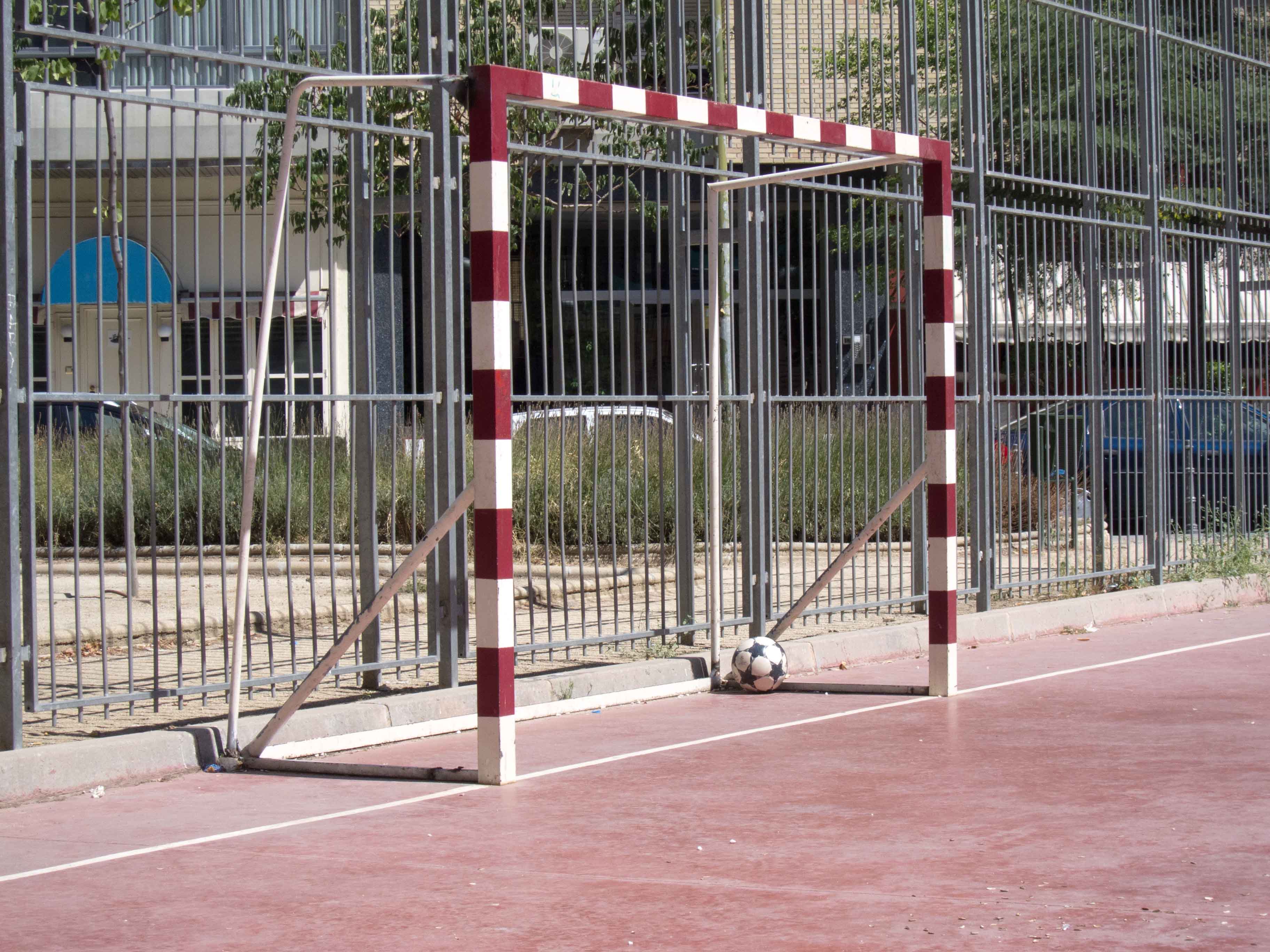 It’s Sunday!!!
If you are into football, this is your day.
If you are into football and you want to get rich quickly, today could be your day – if you play the Quinielas.
These are the football pools, fill in a little piece of paper. Cross out the relevant boxes for each football match. Give each match a “1” if you think the home team is going to win, a “2” if you think the visitors will be the winners and a “X” for a draw.
TIP: Don’t go for the obvious winners – if you get predict an unlikely win, you’ll get more cash.
¡Suerte!
L is for Libro
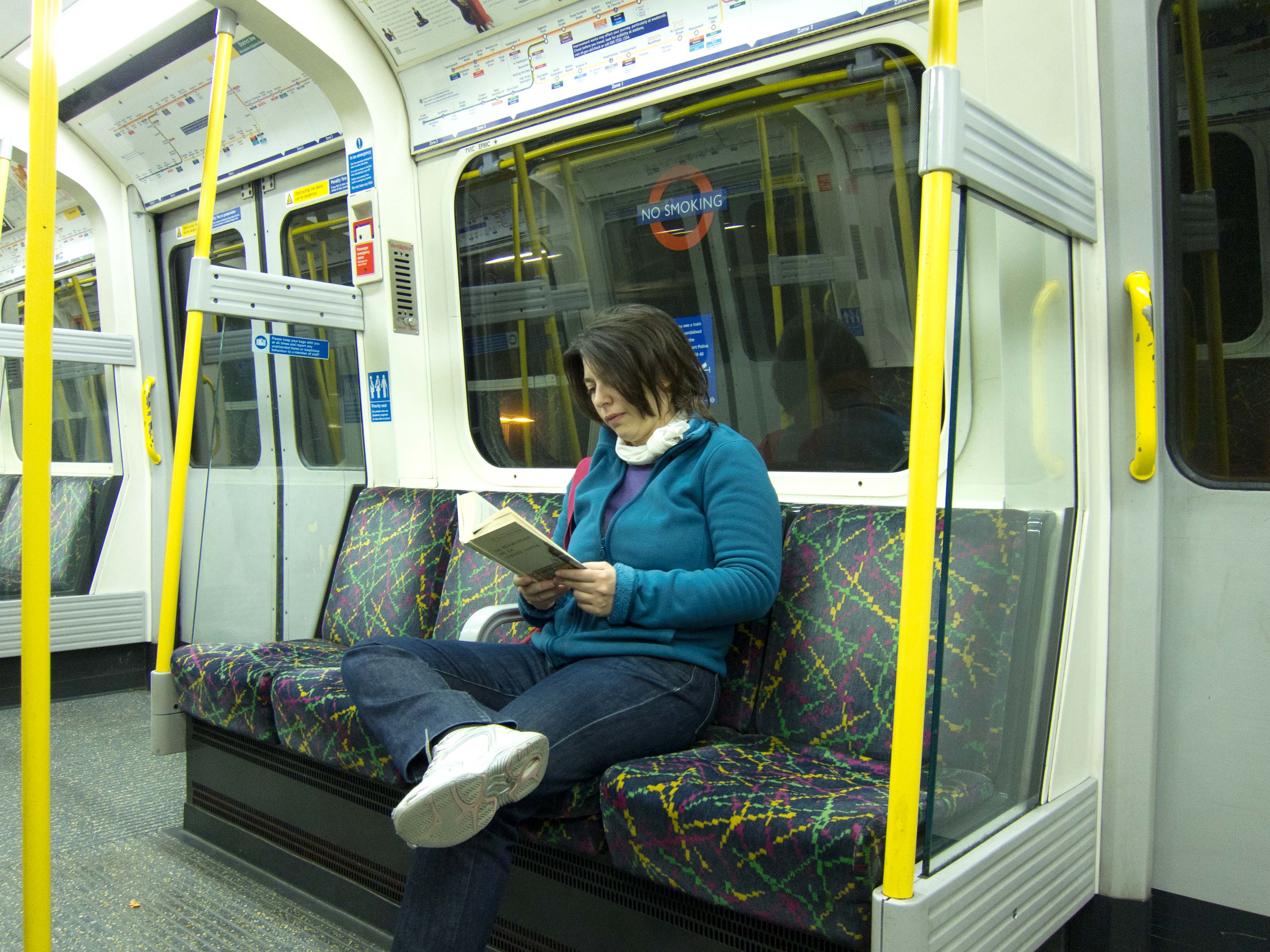
Libros, books, my one and only addiction.
Here’s my tribute to some of my favourite authors. Hopefully I’ll be adding more, please feel free to include your suggestions as comments on the page. Thanks!
G is for Golpe de Estado 23-F 1981
I don’t know how it happened.
This year I missed the anniversary – maybe I was out for most of the day and busy all afternoon, but I missed the anniversary of one of the scariest days of Spanish democracy and just when I was getting to writing about the event for the AtoZ book, I realised. It’s gone, I missed it.
Adolfo Suarez, who had been at the head of Spain’s new democracy since 1976, resigned in 1981 feeling like he was losing the support of the people. He was passing on the role of president on 23rd February 1981 to Leopoldo Calvo Sotelo, when suddenly, there was some noise outside the Congress building. Some commotion, a bit of noise and then this guy with a mustache and a military hat oh wait, and a gun in his hand, came into the hall and said
Todos al suelo.
Nobody knew what was going on – was it a stunt? Indeed, if you look now at the footage, he looks like a clown but then it was really scary. I can tell you, cause I was 9 and I was watching it on TV. (In his book, Calvo Sotelo says that he actually thought it was a group of terrorists dressed up as guardias civiles that had entered the building.)T is also for Tejero, he was “that guy”. The sense of parody increases Gutierrez Mellado (part of the military himself and Minister of Defense at the time), stands up against them and you can see they don’t have a clue about how to react. Luckily they just pushed him around a bit, instead of shooting him in the head.
This military coup kept Spain breathless for one day. The mother of one of my school friends, who was foreign, called my house to ask for advice. What should she do? Send the kids to school the next day? Keep them at home? What was going on?
Luckily, the King stepped up. He asked the Spanish population to back democracy. Luckily, the military did too.
Do watch the videos: the first one has about 30 seconds of normality, making it all ever so powerful. The second one has the commentary of the journalist – even if you don’t understand what he’s saying, you’ll hear the panic in his voice as he sees the machine-guns come out.
A is for Arquitectura
I came across this lovely post by following @gospain.
It’s a simple tour through what he terms “The Seven Wonders of the World in Spain”.
If you’re interested in architecture, check it out.
Gracias, Damian! (That’s the guy who put the post together and runs the site.)
http://gospain.about.com/od/spanisharchitecture/ss/seven_wonders_6.htm
 The A to Z of Spanish Culture